November 17, 2026
Townhome or Apartment in Cedar Rapids? How to Pick What Fits Your Life
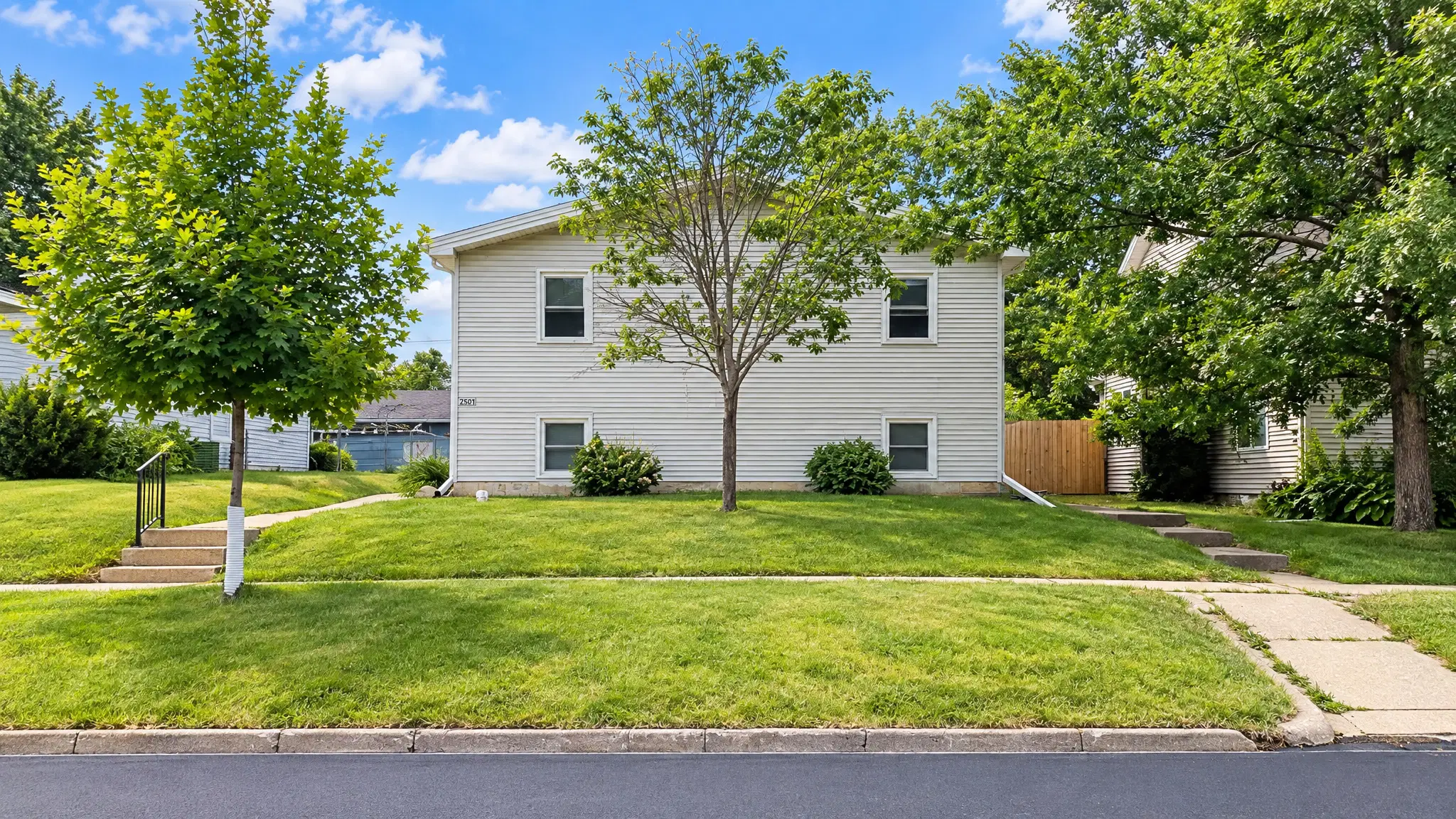
You may be comparing two homes with similar rent and bedroom counts, but the day-to-day experience can be very different. One might put everything on one floor. The other could give you more separation, a private entrance, or room to store bikes and seasonal items.
The right choice depends less on the label and more on how you live. Here’s what to look at when comparing townhomes for rent in Cedar Rapids, Iowa, with apartments in Cedar Rapids and Marion.
Start With Your Everyday Routine
Picture a typical weekday. Where do you put your shoes and bags? Do you work from home? Are you carrying groceries up stairs? Does someone in your household go to bed earlier than everyone else?
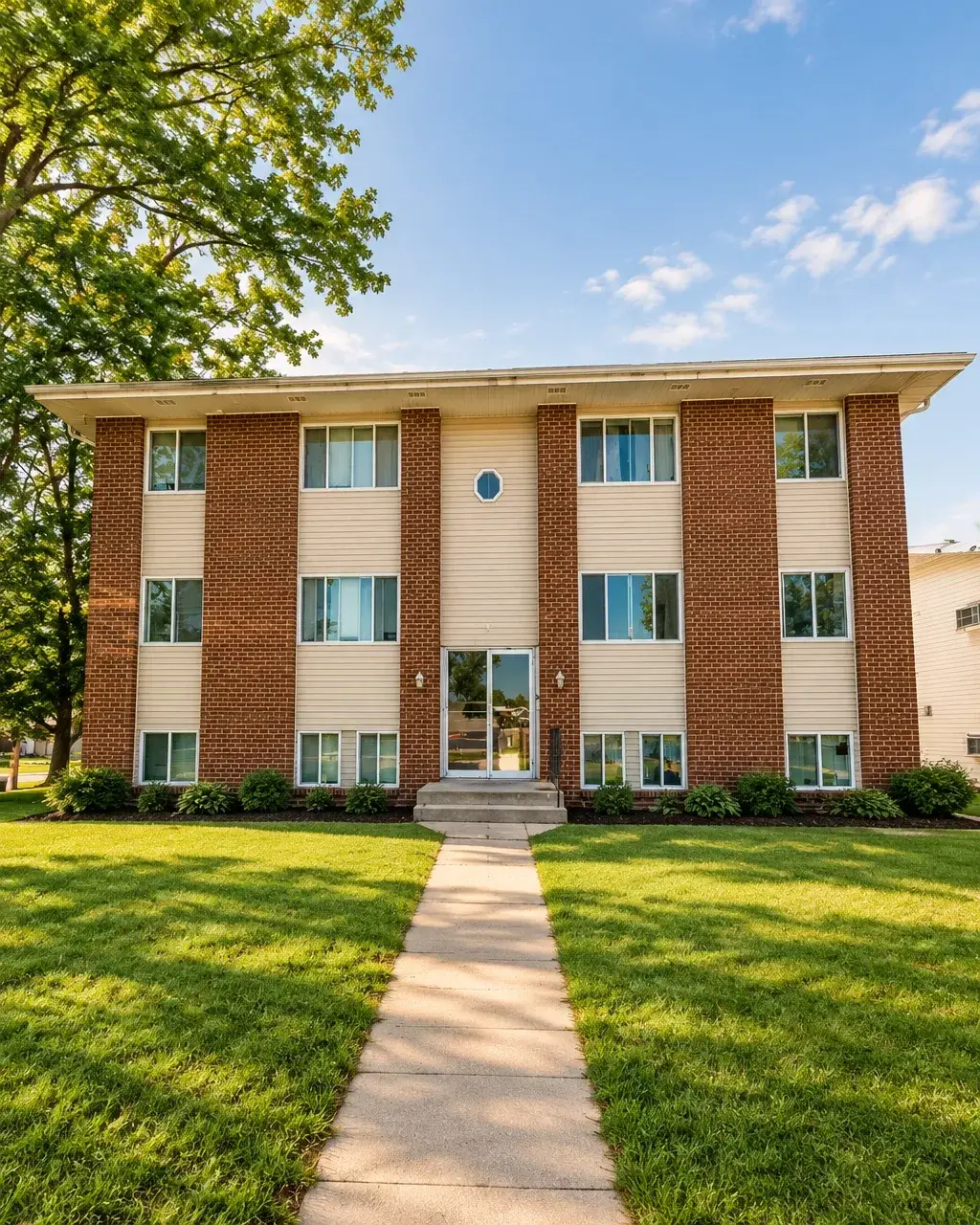
An apartment often keeps living areas and bedrooms on one level. That can make daily tasks simpler, especially if you prefer fewer stairs or want an easier layout to clean.
A townhome may spread rooms across two or more floors. That separation can be useful when people have different schedules or when you want work, sleep, and shared spaces to feel distinct. But those stairs are part of your routine, too. Check the actual floor plan rather than assuming every townhome has the same setup.
Consider Who Needs Their Own Space
Layout matters when more than one person shares a home. A couple may appreciate a separate room for remote work. Roommates may prefer bedrooms on different floors. Families might value a little distance between a child’s bedroom and the main living area.
An apartment can be a comfortable fit if you want a compact, easy-to-manage home. It may also suit you if you spend most of your time out and don’t need several separate zones.
A townhome’s floors can create more separation, but the layout is key. Ask where the bedrooms are, whether there’s a bathroom on the main level, and if anyone will need to pass through a shared space to reach their room.
Before deciding, talk through the parts of the home you’ll share: kitchen, laundry, entryway, and any outdoor space. The best floor plan is the one that works for the people living in it.
Think About Noise and Privacy
In an apartment building, you may share walls, ceilings, floors, hallways, or common entrances with neighbors. That doesn’t automatically mean more noise, but it’s worth asking what is shared and where the unit sits in the building.
A townhome may have a private entrance and fewer nearby neighbors. If it’s attached to another home, though, you may still share a wall. Ask which rooms border the neighboring unit and whether bedrooms sit next to a living room or staircase.
During a tour, listen for sounds from hallways and nearby units. If your schedule allows, ask whether you can visit at a different time of day. A quiet weekday afternoon may not tell you what the building is like in the evening.
Look Closely at Stairs, Storage, and Parking
Stairs are one of the clearest differences between many apartments and townhomes. One-level living can be easier when you’re carrying groceries, managing a stroller, or planning for changing mobility needs. In a townhome, check every staircase, including any steps from the entry or garage.
Storage needs can be easy to underestimate. Open closets, check the pantry and cabinets, and consider where coats, cleaning supplies, luggage, and seasonal gear will go. Ask whether a storage area is included or rented separately.
Parking deserves the same attention. An apartment may offer open or assigned parking, while some townhomes include a garage. Neither arrangement is guaranteed. Confirm what comes with the specific home, whether guest parking is available, and whether a garage costs extra.
A garage may be valuable if you want to keep a car out of winter weather or store outdoor equipment. If you’re counting on it, make sure you know its size and whether the listed space is for your use.
Check Outdoor Space and Pet Rules
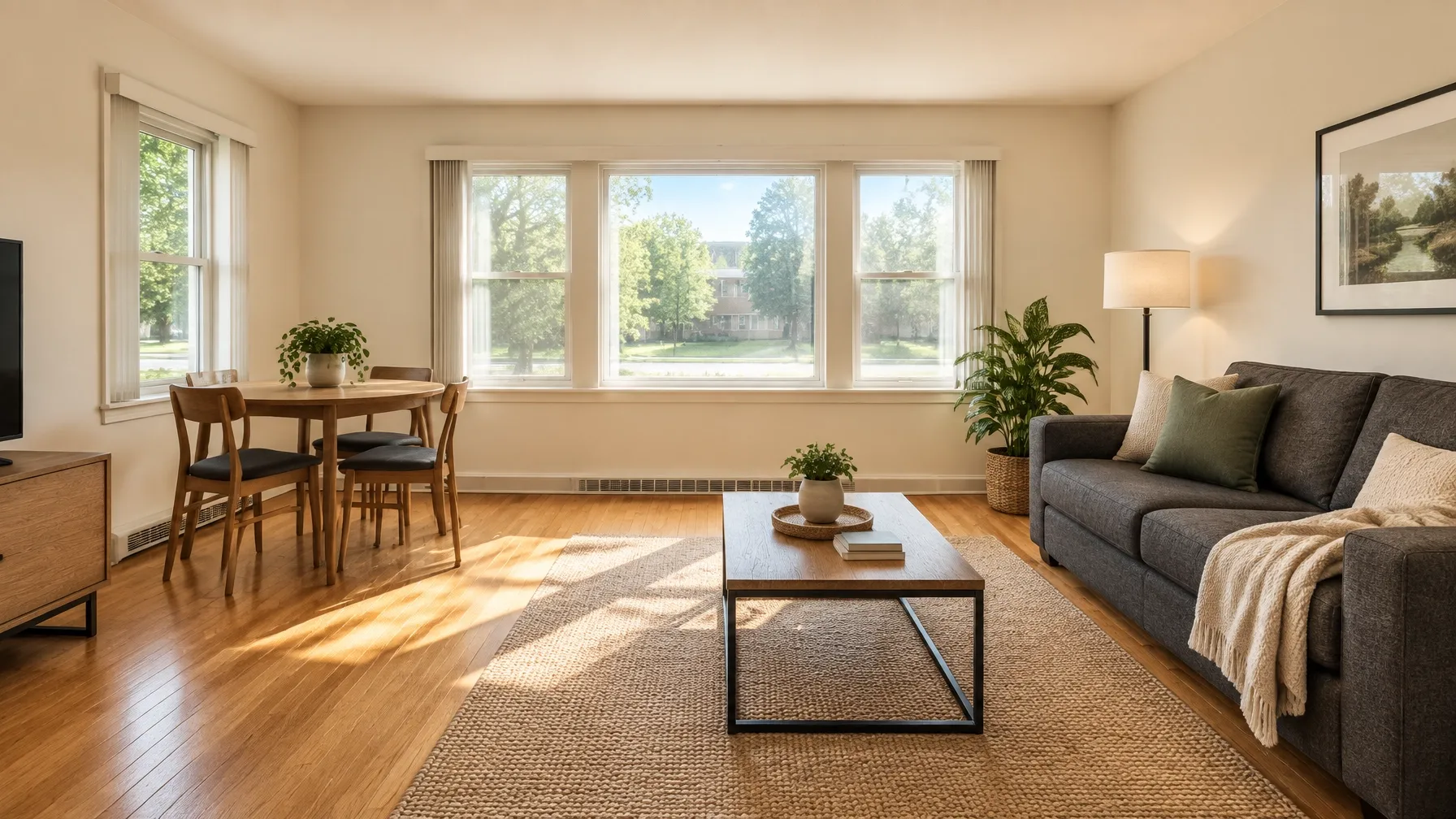
An apartment community may have shared outdoor areas, a courtyard, or a balcony. A townhome may have a patio, deck, or small yard. These features vary by property, so confirm what’s included rather than relying on the property type.
If you have a pet, ask where you can take them outside, what the pet rules are, and whether there are added fees. For a private outdoor area, clarify who handles lawn care, snow removal, and general upkeep. A patio can be convenient, but the lease determines what you may use and who maintains it.
Compare the Full Monthly Cost
The rent amount is only one piece of your budget. Compare the total expected monthly cost for each home, including utilities, parking or garage fees, pet charges, and any other recurring costs. Ask which utilities you’ll pay and whether the property can share recent average bills.
Then consider the practical value of the features. A higher rent might make sense to you if a garage, extra bedroom, or separate work area makes daily life easier. If those features won’t get much use, a more straightforward apartment could be the better fit.
For a fair comparison, write down each home’s rent and fees side by side. Add a note about what’s included, so you’re comparing the same things. Reserve’s current listings show one-bedroom apartments starting at $650 per month. Rent varies by property, and the only fee listed for the leasing process is a $30 background check paid before the lease is signed. Check the live listing for current prices and terms.
Questions to Ask on a Tour
Bring these questions with you. The answers can help you spot the differences that matter after move-in.
- Which utilities are included, and which ones will I pay?
- Is parking assigned? Is guest parking available?
- Is the garage or storage area included in the rent?
- What outdoor areas come with this unit, and who maintains them?
- What are the pet rules and any related fees?
- Where are the bedrooms, laundry, and bathrooms?
- What maintenance requests are handled by management, and how do I submit one?
- Are there building quiet hours or other shared-space guidelines?
Take a moment to open closets, check window coverings, and picture how your furniture will fit. If a detail could affect your decision, ask before you apply.
Which Home Might Fit You Best?
An apartment may be a good fit if you want one-level living, a simpler layout, or a home that’s easier to maintain. It can work well for individuals and couples, and for roommates who find a floor plan that gives everyone enough room.
A townhome may suit you if you want more separation between living and sleeping areas, need extra storage, or value a private entry or outdoor space. Families, pet owners, and people working from home may find those features useful, but only if they’re part of the specific home you’re considering.
There’s no universal winner. Focus on your routine, comfort, and complete budget. If you’re also considering Marion, compare Marion, Iowa, rentals using the same checklist. A consistent comparison makes it easier to see which home fits best.
Find a Home That Works for You
Reserve Property Management offers apartments and townhomes in Cedar Rapids and Marion. You can browse current availability and start with free pre-qualification before scheduling a showing. The pre-qualification form lists a minimum gross income of three times the monthly rent and states that Section 8 is not accepted. The only fee is a $30 background check, paid before signing a lease. Details can vary by property, so confirm the current listing and requirements.
If you have a question about a home, contact the team. Reserve offers responsive maintenance and straightforward communication, with no runaround.
Call 319-383-1340, email info@reserve-pm.com, or visit the office at 725 1st Ave SW, Cedar Rapids, IA 52404. You can also send a message online.